Tea Guild Membership

Membership of the prestigious Tea Guild is strictly by invitation only and when a tea outlet is interested in becoming a member they are made aware of the criteria and standards expected and subsequently visited by an incognito tea Inspector who checks them out. If the establishment then meets our standards they are invited to become a member and upon payment of our annual membership fee can enjoy the many benefits and advantages that membership brings.

How to become a Tea Guild Member

Tea Guild LogoApplications for Tea Guild membership can either be made on-line, by telephone on 020 7371 7787, or email us at tea@teacouncil.co.uk

To ensure that the criteria for membership set by The Tea Guild meets our high standards, the establishment must then pass an initial inspection by acknowledged, and always, incognito  Tea Industry Inspectors.  Following a successful inspection and payment of our annual Tea Guild membership fee, the outlet is invited to become a member and The Tea Guild maintains a watching brief throughout the year to ensure that standards of excellence are maintained.

Criteria

Hygiene & Decor

Cleanliness and décor are taken into account. Beyond exacting standards of hygiene, our inspectors also look out for stains on teacloths, dust on decorations and generally anything that may be distasteful to a paying customer.

Crockery

Pottery or China in good condition is expected, our eagle-eyed tasters will spot cracks, chips or stains on the crockery! Metal milk and water jugs are not favoured.

Staff Attitude

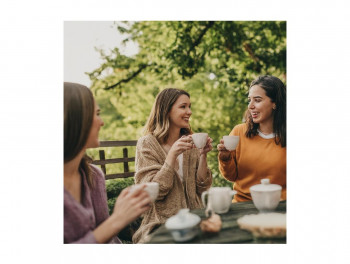
Girl drinking a healthy cup of teaStaff should be friendly and well presented and staff that has a reasonable knowledge of the different varieties of teas on offer will score extra points.

Efficiency of Service

Service should be efficient and attentive.

Sugar

Lumped sugar (covered if possible) presented with tongs.

Variety of Tea

Offered & Served Teas should be listed on your menu. Try to include as many speciality teas as possible, we recommend that you use both leaf and bag tea.

Cakes and Foods

Fresh, tasty home-baked foods are looked for, a wide selection on offer, served attractively and stored hygienically.

Milk Type

To cater to all tastes and diets, full fat, semi-skimmed and skimmed milk should be available; semi-skimmed milk being offered as the norm. You should also offer a slice of lemon.

Overall Ambience and Value for Money

Afternoon tea should be treated as an 'experience', therefore you should offer your customers a relaxing, interesting and enjoyable environment in which to enjoy it.

Tea

Tea inspectionInspectors give marks for the following tea criteria:

  1. Preparation
  2. Service
  3. Tea Liquor Appearance
  4. Tea Temperature
  5. Taste

The Crockery and Teapots Used by Tea Shops

The teapots, cups and saucers, general crockery and cutlery chosen by individual tea places can vary enormously and should link with the overall style, theme and atmosphere of the venue. A top quality tea room may offer different brewing and drinking vessels according to the types of tea they serve.

Teapots

Tea potsPots made from certain materials are not suitable for the successful brewing of tea. These are aluminium, pewter, enamel, uncoated iron and plastic. They may taint the tea or emit undesirable substances into the infusion.

The best teapots are made from porcelain, bone china, glazed stoneware, unglazed Chinese red earthenware, silver and glass. These lose heat slowly from the outside and maintain a good temperature inside. When the visual effect of the brewing of the leaves and the colour of the liquor is required, glass is excellent.

The size and shape of the teapot is very important. It is essential that the correct amount of tea and water are used in each pot and that the leaves have enough room to move around in order to absorb water and release their colour and flavour into the water.

Cups and Saucers

There is no doubt that porcelain and bone china make the best teacups. They keep the tea hot, they are more elegant and they are easy to lift.

But depending on the style and theme of a teashop, different materials may be used. However, the heavy stoneware and pottery often used for catering tablewares allow the tea to cool more quickly than porcelain and bone china and are generally less acceptable to most people.

The shape of cups is also important. A wide top allows the tea to cool faster while taller, narrower shapes are excellent for piping the aroma of the tea. This is important with some of the fine China green and oolong teas.

Cups, mugs or bowls?

For traditional British tea drinking, cups and saucers are best. For oriental teas (oolongs and green teas from China and Japan) little bowls or tall straight-sided cups with no handles are culturally correct and add an interesting and colourful element to the tea drinking experience.

Tea Fact - 10/13

Fight!

And the doctor away...... Tea has potential health maintainence benefits in cardiovascular disease and cancer prevention. More →

TEA & HEALTH

Tea4health is dedicated to bringing you the facts about how tea, the world’s favourite drink, can help you maintain your health as part of a balanced diet and healthy, active lifestyle. If you need questions answering about tea and looking after your health, or if you want to know why drinking at least 4 cups of tea a day is a good way for you to help maintain your health, then look no further – this site provides a wealth of information that can help.

Tea Advisory Panel (TAP)

TAP The Tea Advisory Panel was created to provide media with impartial information regarding the health benefits of tea. Panel members include nutritionists; dieticians and doctors. For further information please call 0207 052 8989. Read more...

TEA a brief history...

Tea is so much a part of everyday life in Britain that we might never stop to think about how a unique plant from faraway China became the nation's favourite drink. But the history of tea is fascinating, and in this section we can follow its story from the earliest times in Imperial China right up to its present place at the heart of British life. Read more...